
It can be said without too much hesitation that the Borso d’Este Bible, the most studied and well-known of the works preserved at the Estense University Library, is the most famous illuminated manuscript of the Renaissance, its fame probably equaled only by that of the Très Riches Heures of the Duke of Berry, or theContinue reading “The Borso d’Este Bible, the illuminated manuscript that symbolizes the splendor of Ferrara in the 15th century.”
Category Archives: art
FERRAGOSTO
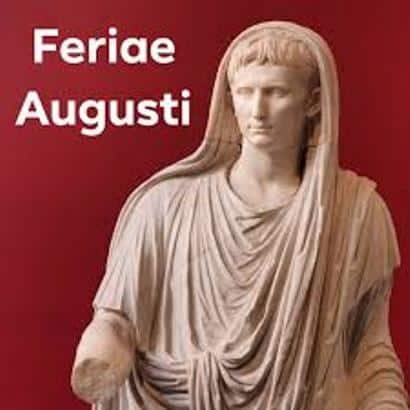
Ferragosto, celebrated on August 15th, has its origins in ancient Rome. It derives from the Latin “Feriae Augusti,” meaning “Augustus’ Rest,” and was established by Emperor Augustus in 18 BC. Initially, it was a holiday to mark the end of summer agricultural work, with a period of rest and celebrations for workers. Over time, theContinue reading “FERRAGOSTO”
OSTUNI: the second largest “rosone” (rose window) in Europe
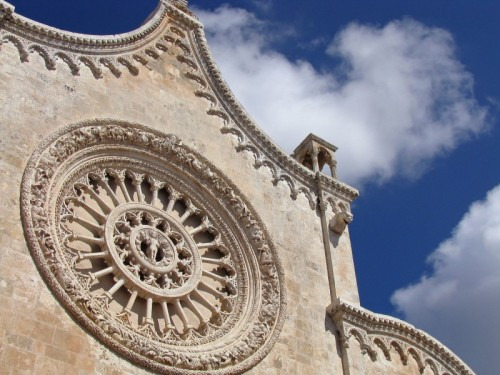
For the people of Ostuni (the White city), the cathedral’s rose window is the most beautiful and largest, but in reality, it is the second largest in Europe. The splendid Gothic cathedral, built between 1469 and 1495, stands just steps from Piazza della Libertà, looming eternally just beyond the Arco degli Incalzi—one of Frederick II’sContinue reading “OSTUNI: the second largest “rosone” (rose window) in Europe”
IL DUOMO DI MONREALE
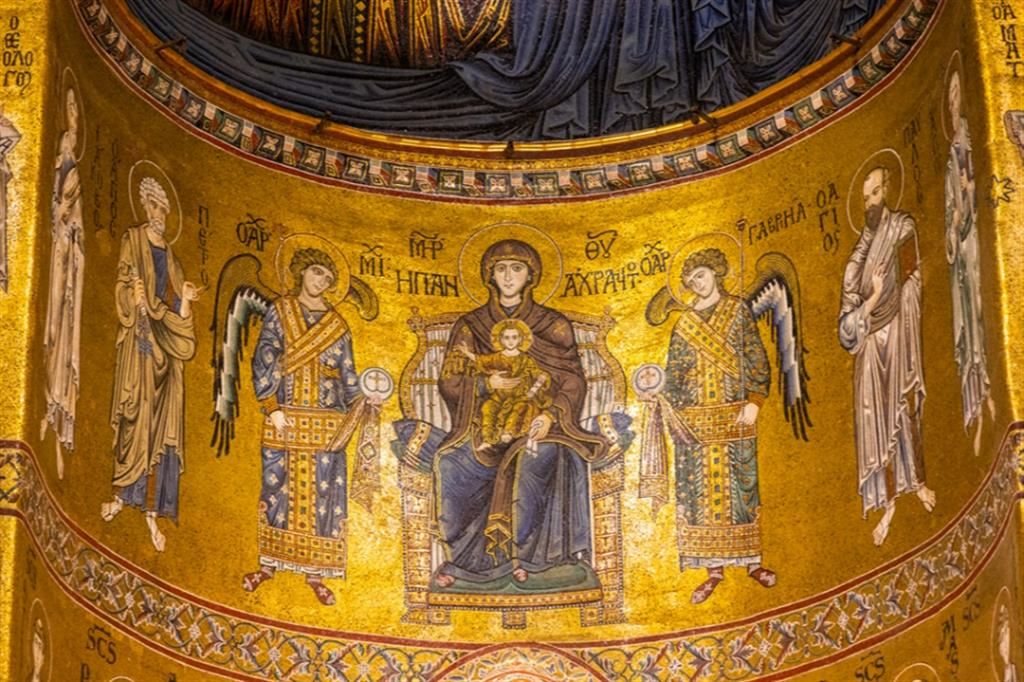
Built starting from 1172 at the behest of William II of Altavilla, king of Sicily from 1166 to 1189, it is famous for the rich Byzantine mosaics that decorate its interior. In August 1926 Pope Pius XI elevated it to the dignity of a minor basilica.[4] Since 3 July 2015 it has been part ofContinue reading “IL DUOMO DI MONREALE”
BOLOGNA PORTICI FESTIVAL
HERITAGE MEETS CREATIVITY The third edition from June 4 to 8 Bologna Portici Festival is back From June 4 to 8, the Bologna Portici Festival is back, the great urban festival promoted by the Municipality of Bologna to celebrate the Portici of Bologna, a UNESCO World Heritage Site, through creativity. On June 6, the firstContinue reading “BOLOGNA PORTICI FESTIVAL”
BOLOGNA HIDDEN JEWELS

VILLA MAZZACORATI Villa Aldrovandi Mazzacorati is a historic 17th-century building located just outside the center of Bologna. After being acquired by Annibale Marescotti, towards the end of the 17th century the house with garden passed to the Aldrovandi family who carried out various restoration works. At the end of the 18th century the villa becameContinue reading “BOLOGNA HIDDEN JEWELS”
June 21 – 29 Piazza Maggiore XXXIX edition of Cinema Ritrovato
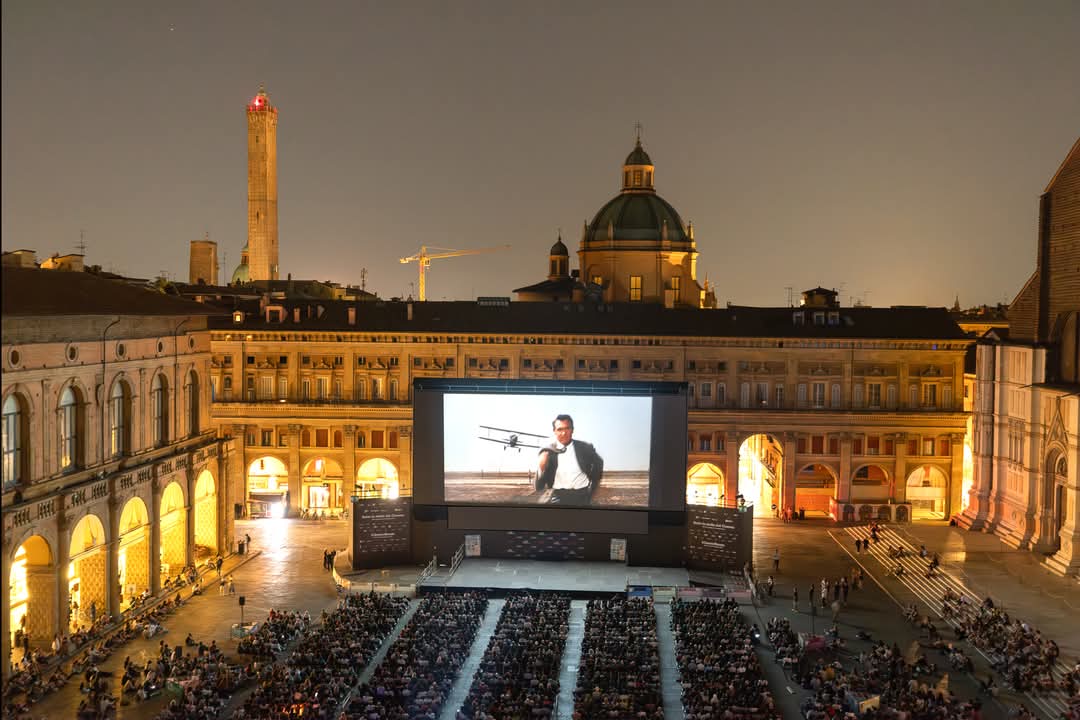
Here are the first previews of the 2025 edition: the musical documentary, including the popular subgenre of rockumentary, the cinema of Mikio Naruse, one of the four masters of classical Japanese cinema, Norden Noir the films that started the season of Nordic noir, cinematic precursors of today’s popular Scandinavian TV series, the films of WilliContinue reading “June 21 – 29 Piazza Maggiore XXXIX edition of Cinema Ritrovato”
IL.TIMBRO DEL PANE IN LEGNO / bread stamp
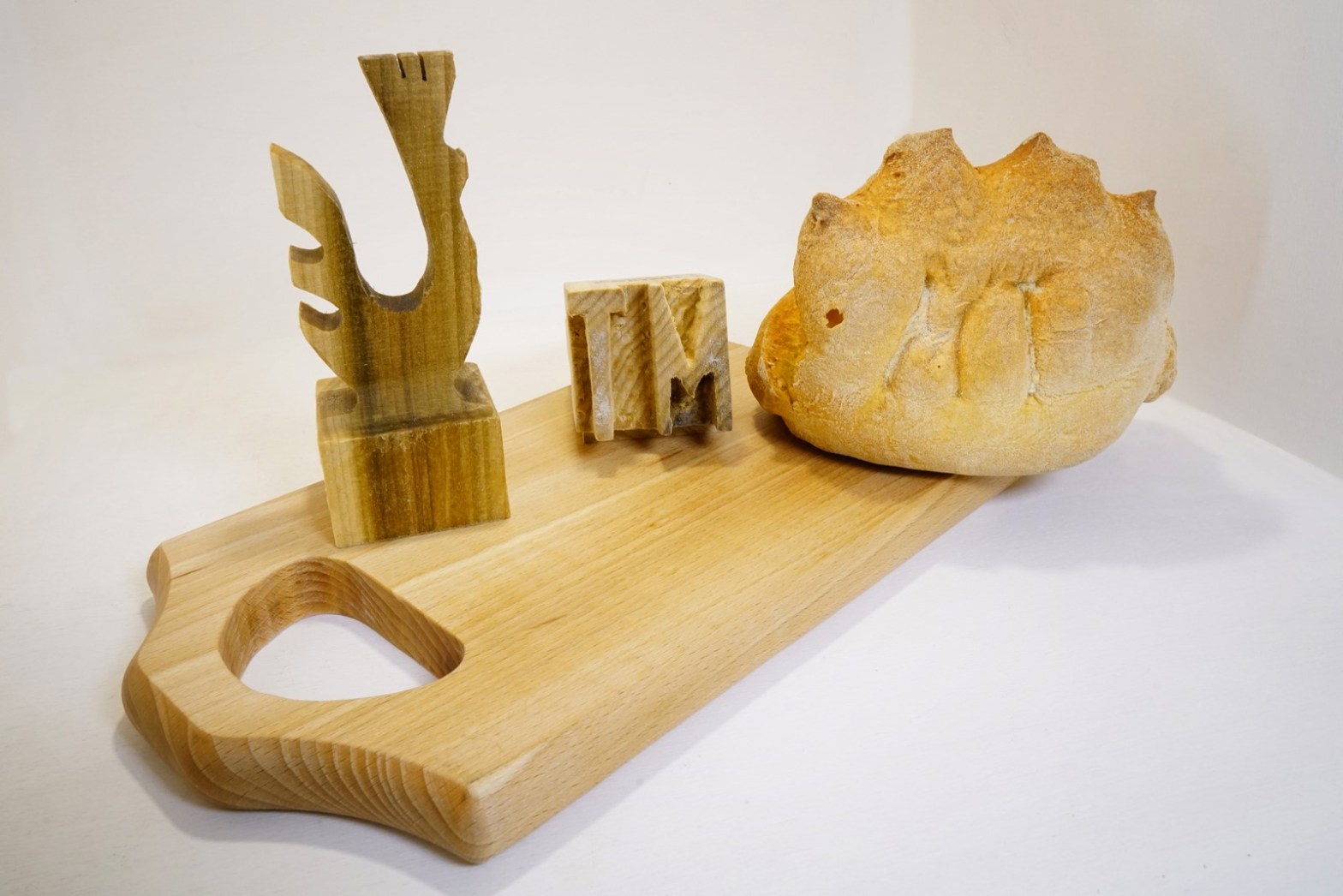
The bread stamp is one of the symbols of the pastoral art of the Murgia Materana. Until the 1950s, housewives kneaded bread at home and delivered it to the oven boys for baking, but not before stamping each loaf to distinguish it from those of other families. The stamps were commissioned to shepherds who madeContinue reading “IL.TIMBRO DEL PANE IN LEGNO / bread stamp”
Ferrara has been a UNESCO World Heritage Site for 30 years: the city of the Renaissance
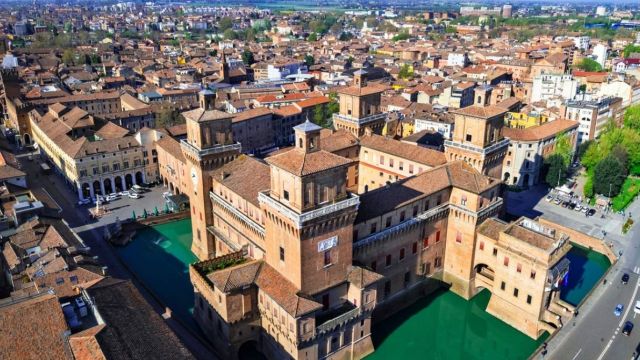
Since 1995, Ferrara has been recognized as a UNESCO World Heritage Site with the title of City of the Renaissance and in 2025, to celebrate 30 years since the great event, it has organized a calendar of many events from May to December to liven up the city. From signature cuisine to the cycling soul,Continue reading “Ferrara has been a UNESCO World Heritage Site for 30 years: the city of the Renaissance”
A masterpiece from the 19th century: here is the only Italian city that has an entire covered square
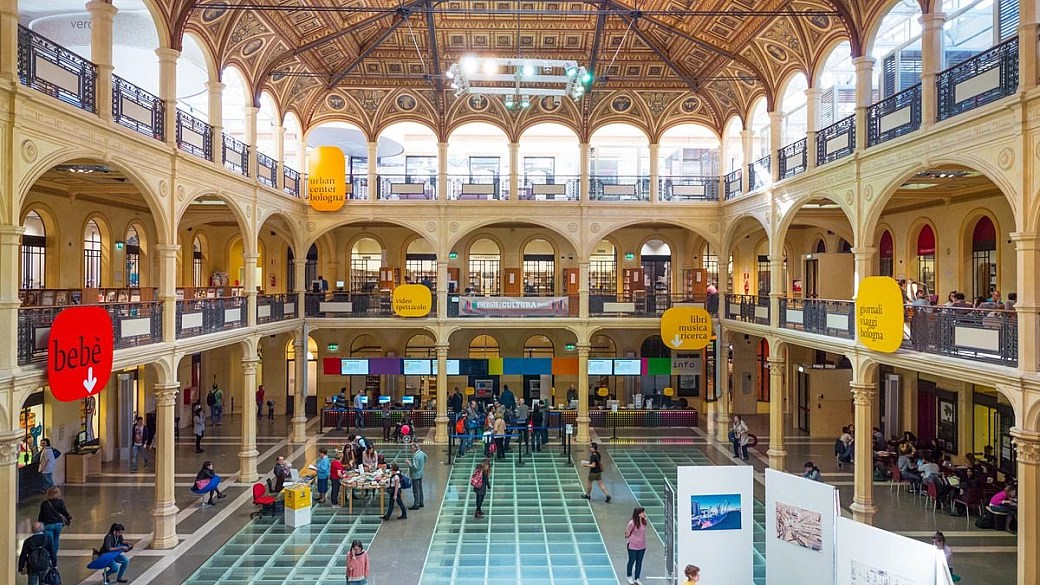
SALA BORSA Bologna has stood out for centuries for its cultural fervor and its unique and varied historical fabric, and it is easy, even when visiting, to often miss some more hidden or hidden masterpiece. This is perhaps the case of an extraordinary architectural jewel: the covered square of Sala Borsa, which is located inContinue reading “A masterpiece from the 19th century: here is the only Italian city that has an entire covered square”
 Study Italian in Italy