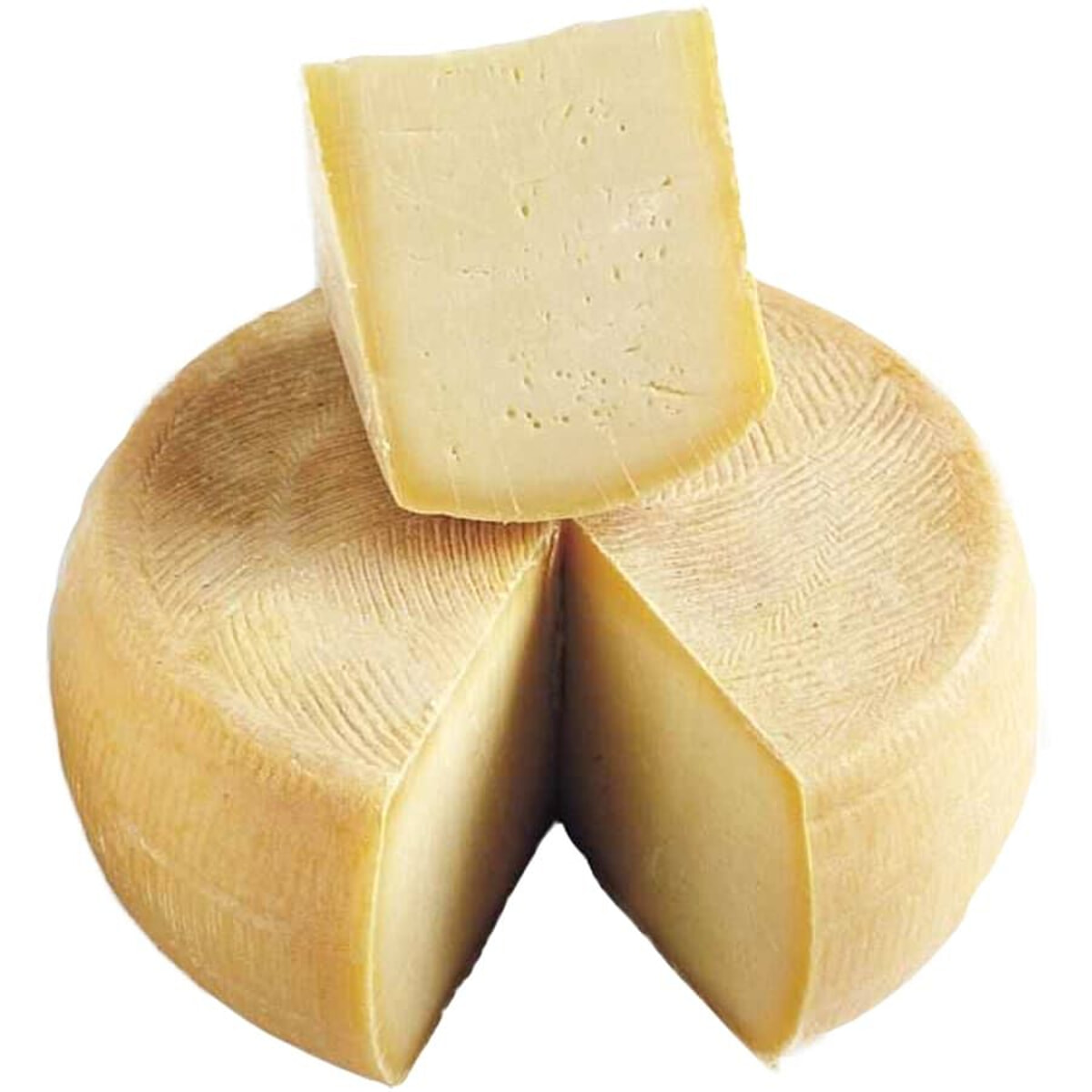
It has a large shape, a compact rind, and a bold flavor, but it’s made exclusively with sheep’s milk. Thus, one of the most long-lived Sicilian cheeses has ties to the Mediterranean but is rooted in the Peloritani Mountains. But it’s disappearing there.
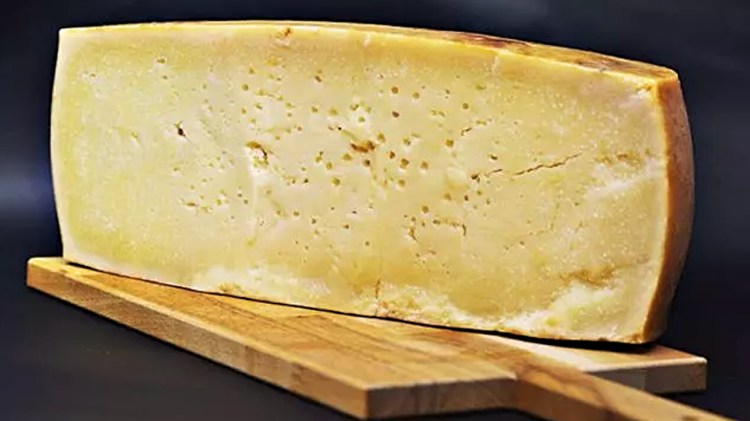
It has wide, tall cylindrical shapes, a compact texture, a long maturation period, and an intense aroma and flavor. These are the main elements that lead some to refer to Maiorchino cheese as the "Parmigiano di Sicilia." However, the parallels fall short when considering the milk, which in this case is not cow's milk but sheep's milk. An ancient product, it evokes ties to the rest of the Mediterranean and laborious production methods that are at risk of disappearing

Peloritani Mountains, the Origin of Maiorchino

The Maiorchino cheese's roots are all in the province of Messina, particularly on the northern slopes of the Peloritani Mountains. The municipalities with which it is most associated are Santa Lucia del Mela, Tripi, Mazzarrà Sant’Andrea, Fondachelli Fantina and Montalbano Elicona, Basicò, and Novara di Sicilia. In the latter two, for example, the tradition of the ruzzola continues: a race in which shepherds compete by rolling cheeses through the village streets. This area is closely linked to sheep farming, and has produced one of the most mature and aged pecorino cheeses on the island, with unusually large pieces.


Why Maiorchino Got Its Name

Maiorchino was first mentioned in the 17th century—some five centuries after Parmigiano—and thus during the period of Spanish rule in Sicily. This is a clue to its etymology, which likely stems from trade between northeastern Sicily and Spanish ports, particularly those in the Balearic Islands. The cheese may have been shipped and exported to Mallorca, destined for that market, or perhaps isolated for local production. There, too, a strong tradition of sheep's milk cheeses persists. Long-aged, for grating and serving, they closely resemble our Maiorchino.

The elaborate production method of aged sheep's milk cheese

If only a few producers in Messina still dedicate themselves to these cheeses, it's because of the complexity of the production phases. These are different and require long aging periods (like its Emilian cousin), immobilizing the ingredients before they can be released to the market. Production begins in February and continues until the second ten days of June, and today, in very small quantities. This is a raw milk cheese, where the sheep's milk from animals that graze on the Peloritani pastures can be supplemented with up to 20% goat's milk and sometimes cow's milk.
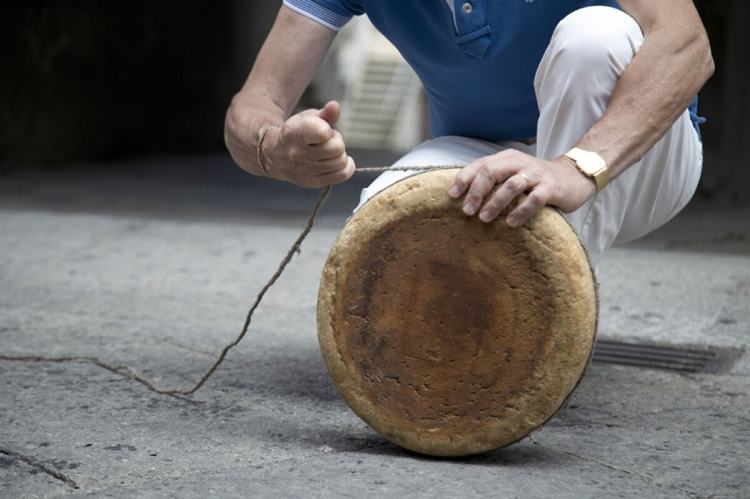
The rennet is from goat or lamb, and the necessary tools are a copper quarara (boiler), a wooden jug (stick), a garbua (mould), and a mastrello (board). The curd is broken and cooked in the pot, then the curd is transferred to the moulds, where it is pierced to facilitate the release of the whey. An iron needle (minacino) is used to pierce the air bubbles that form in the curd, then the surface is worked by hand for several hours. After dry-salting for 20-30 days, it is aged for up to 24 months, beginning, after the third month, to be treated with Sicilian olive oil.
Sensory Characteristics and Culinary Uses of Maiorchino

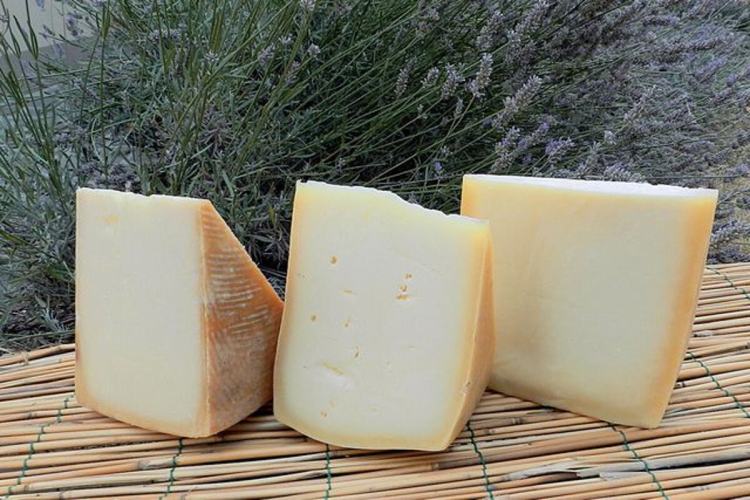
Although it cannot reach the same weight as Parmigiano Reggiano for quantitative reasons, Maiorchino typically comes in wheels weighing between 10 and 18 kg, significantly exceeding the average for generic pecorino cheeses. Once opened, the amber-yellow rind reveals a white, compact paste that veers toward straw-yellow. Its flavor remains delicate, only tending to piquant with increasing aging. It lends itself to being enjoyed pure—perhaps alongside Sicilian Black Bee honey or jams—while the herbaceous notes from the animals' diet can be exploited in the kitchen. From classic gratings over pasta dishes or soups to fondues, to gratinated vegetables, and even, if desired, quickly grilled
Italian PLUS culture
https://www.studyitalian.it/culture.html
Not Just a language course but an authentic Italian Cultural immersive Experience
 Study Italian in Italy