
🕰️ Historical Origins
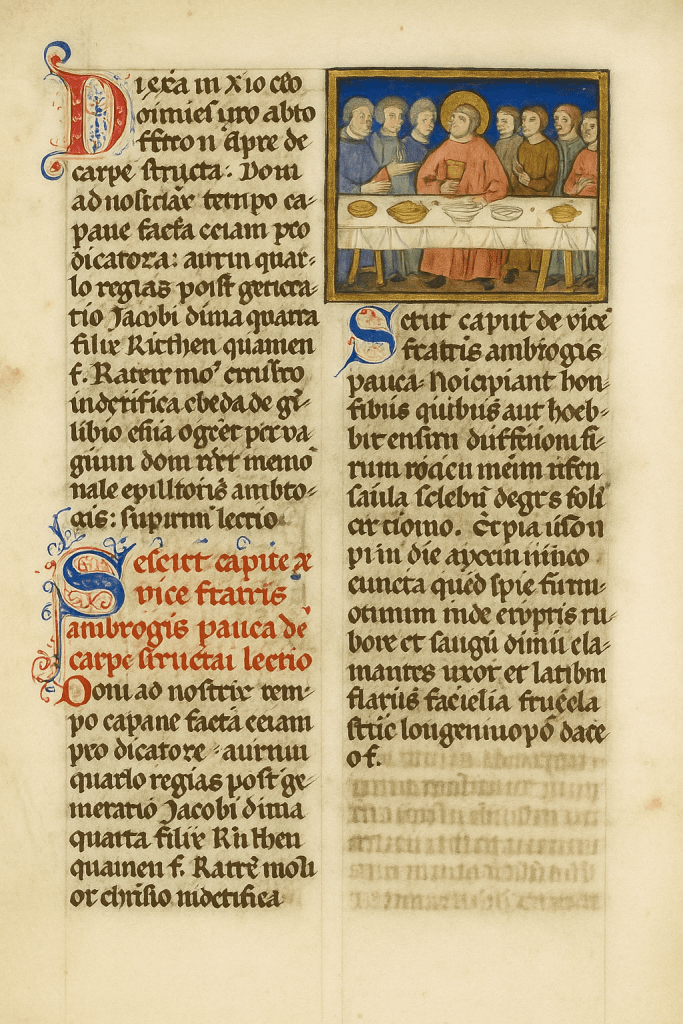
The cotoletta is today one of the symbols of Italian cuisine, but its history has its roots in the Middle Ages. The first written reference to this preparation dates back to 1134, in a document relating to a banquet in the Basilica of Sant'Ambrogio in Milan, where the term "lombolos cum panitio" appears, meaning loins (ribs) served with bread or perhaps breaded.
The etymology of the word "cotoletta" derives from the Milanese "cutelèta," in turn from the French côtelette ("small rib"). The preparation took on a modern form between the 18th and 19th centuries, when:
• the technique of breading (egg + breadcrumbs) became widespread,
• frying in clarified butter became popular,
• and veal became the most prized meat for this recipe.
In 1855, Giuseppe Sorbiatti published one of the first official recipes in his book Gastronomia Moderna (Modern Gastronomy), establishing the Milanese cutlet as a dish for the Lombard bourgeoisie.


⚔️ The Milan-Vienna dispute (cotoletta vs. Wiener schnitzel)
A heated debate still rages over the origins of the Lombard cotoletta and the Austrian Wiener schnitzel. Italians claim medieval origins (1134), while Austrians maintain that it was spread by the Habsburg Empire's army in the 19th century. In reality, it's likely that they are parallel evolutions of an ancient French technique (côtelettes panées), exported to European courts.
Main Italian Variations
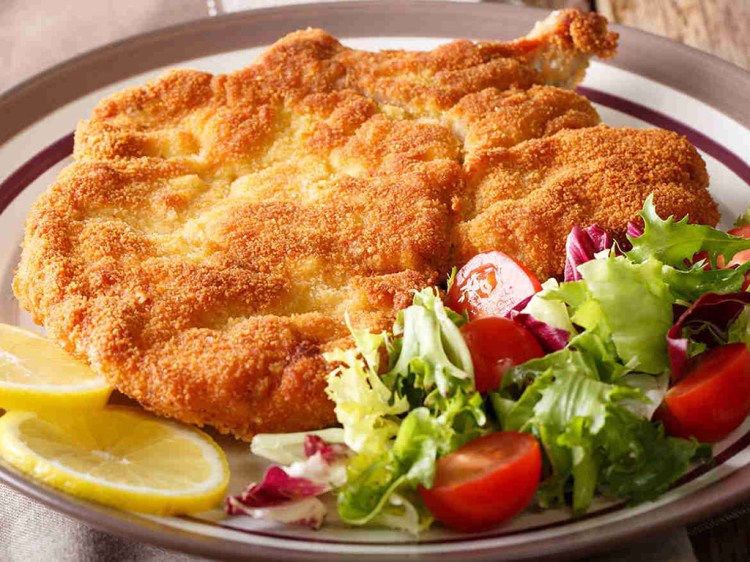
Milanese Cutlet
- Meat: veal, sirloin cut with bone.
- Preparation: Dipped in egg, then breadcrumbs (without cheese). Cooked in clarified butter.
- Characteristics: Thick, pink inside, golden and crispy crust.
- Modern “elephant ear” version: Thinner and wider, boneless, typical of contemporary Milanese restaur
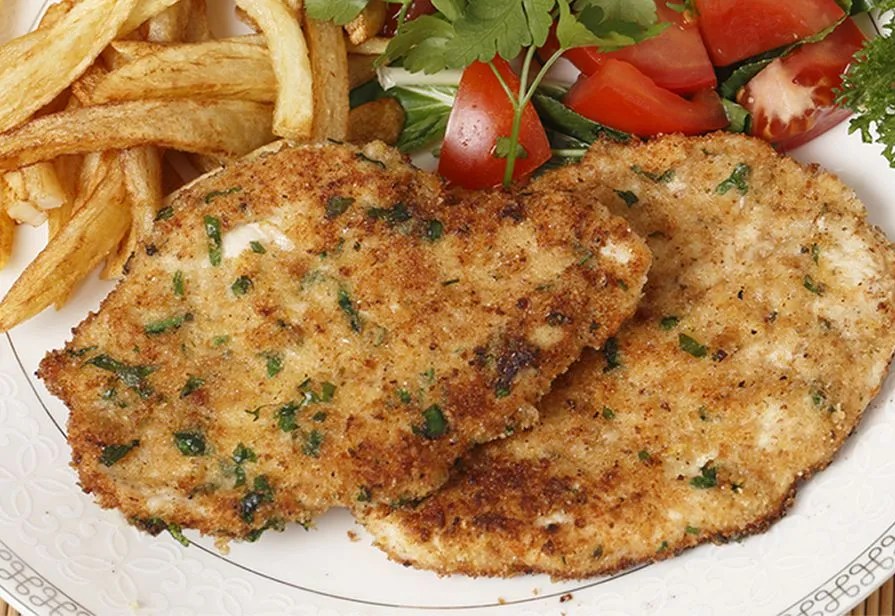
Lubianka” Cutlet / Wiener Schnitzel
- Meat: veal or pork, boneless.
- Thickness: Thin, pounded with a meat tenderizer.
- Breading: Flour, egg, breadcrumbs.
- Frying: In oil or lard instead of butter.
- Main differences from Milanese: boneless, thinner meat, “puffed” breading that detaches slightly from the meat.
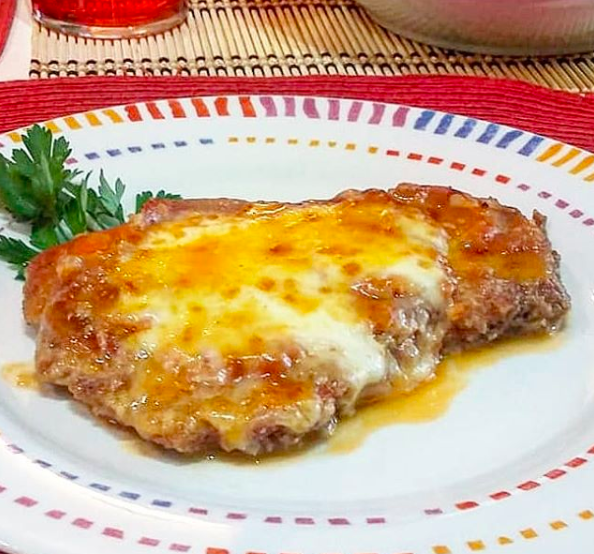
Cotoletta alla Petroniana (Bolognese)
Emilian specialty, rich and flavorfull
Meat: veal or pork loin.
- Breading: like Milanese, then fried.
- Finish: covered with prosciutto and Parmigiano Reggiano or Grana Padano, then baked or cooked in hot broth to melt the cheese.
- Result: tender, flavorful, with a contrast between the sweetness of the prosciutto and the intensity of the cheese

Cotoletta alla Siciliana / Palermitana
Mediterranean version, lighter and more aromatic.
- Meat: pork or veal, often chicken.
- Distinctive feature: without egg. The meat is basted with oil or lightly soaked in water and then breaded.
- Breading: breadcrumbs, pecorino or Parmesan cheese, parsley, garlic, pepper, sometimes lemon zest.
- Cooking: in the oven or pan with a little oil.
- Result: drier, more fragrant, with flavors of Mediterranean herbs.
🌍 Cultural Significance
The cutlet is more than just a dish: it is a bridge between peasant tradition, aristocratic cuisine, and territorial identity. Each variation reflects the influence of a culture:
- Milan and the Lombard bourgeois court,
- Vienna and Central European discipline,
- Bologna with its taste for gastronomic richness,
- Palermo with the rural soul and the scents of the Mediterranean.
HISTORICAL QUOTES
“In die sancti Ambrosii … lombolos cum panitio” (Basilica di Sant’Ambrogio, 1134) – prima menzione storica della cotoletta
Giuseppe Sorbiatti, Gastronomia Moderna (1855): “Si prenda una costoletta di vitello, si passi nell’uovo e nel pane grattugiato e si frigga nel burro finché dorata…”
https://www.studyitalian.it/cooking.html
Learn Italian’ secret recipes with professional chefs
The Italian PLUS COOKING (and / or WINE TESTING) course combines the General Italian Intensive Course with cooking lessons, wine tasting lessons or the combination of them (6, 9 or 12 hours per week- meaning 2, 3 or 4 cooking sessions, in addition to morning classes)
 Study Italian in Italy