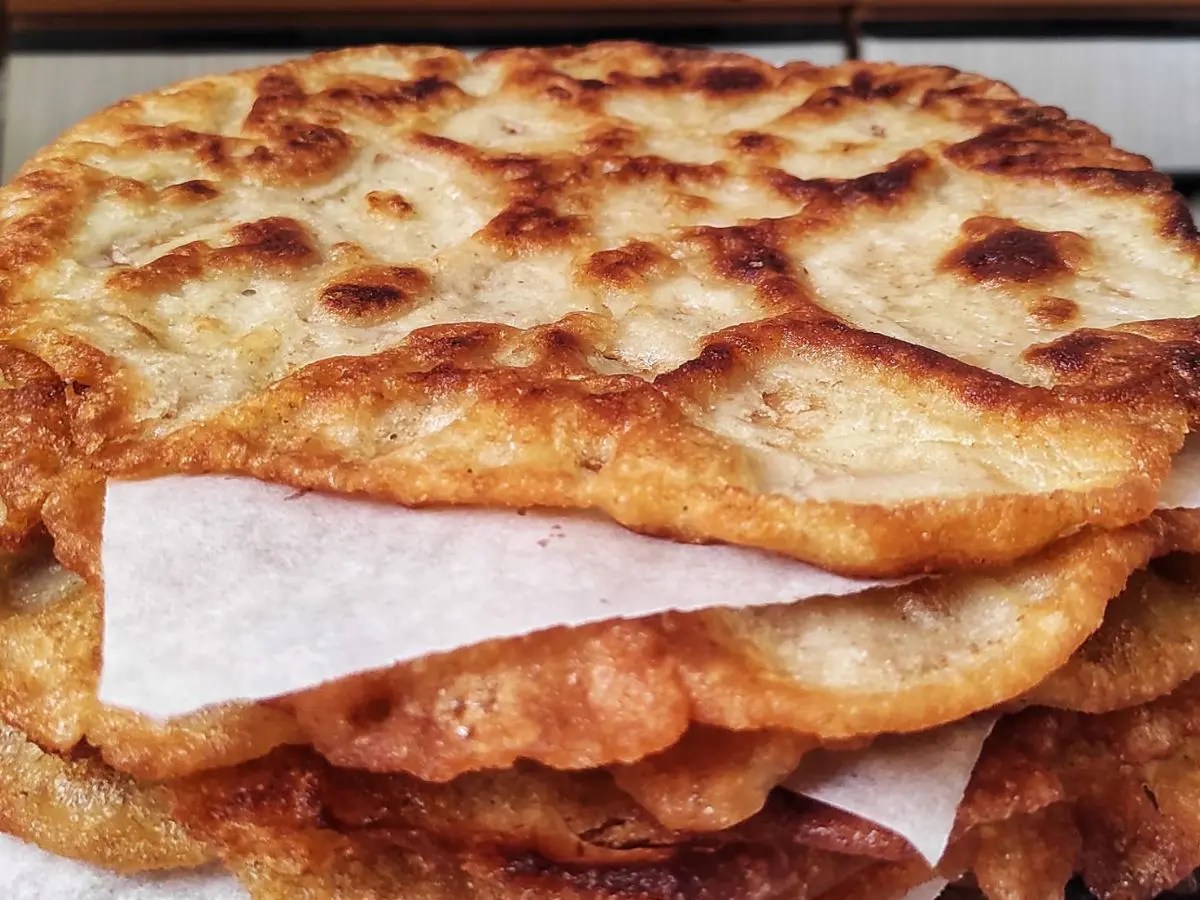
In the countryside of the province of Pavia, a dish survives that embodies the essence of peasant cuisine: schita, also known in some areas as schiscia. It’s a thin, pan-fried flatbread made with flour, water, a pinch of salt, and a little lard or oil. It originated as an everyday dish, when homes cooked with whatever was available. It was a simple and nutritious option, served with meals or as a snack while working in the fields. Its roots date back to the Middle Ages. During that period, to avoid paying the taxes imposed on the use of communal ovens, ingenious farmers developed alternative techniques for baking their dough.
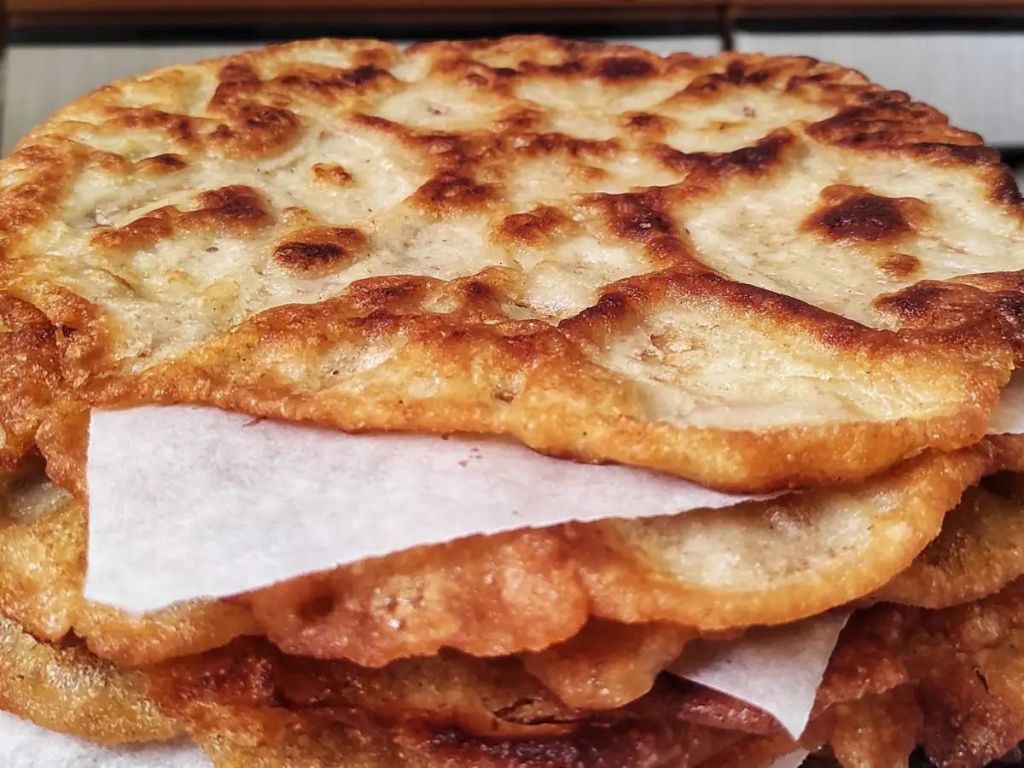
Preparation Schita is made by combining flour and water until it reaches a smooth, but not runny, consistency. Add salt and a pinch of sugar and pour a ladleful of the mixture into a hot pan greased with a little fat (oil or lard). Let it brown on one side, then flip it with a spatula to finish cooking. No yeast or resting time is needed, just a little care when rolling it out to avoid breaking or remaining raw. The result is a golden pastry, crispy at the edges and soft in the center. Traditionally, it was eaten plain, but today it is also served with cured meats and cheeses from the Oltrepò Pavese area, or in a sweet version with sugar, chocolate, or honey. Some local restaurants and delicatessens reinterpret it in a modern way, without altering its essence.
The Rediscovery In recent years, schiscia has regained popularity thanks to social media. In 2020, Oltrepò Pavese writer Cinzia Montagna posted a photo of homemade schiscia. This gesture sparked a collective curiosity that led to the creation of the Facebook group “La Schiscia dell’Oltrepò Pavese,” where hundreds of people began sharing photos and memories of this dish. The phenomenon also attracted media attention: ANSA wrote about it as an example of spontaneous and participatory gastronomic rediscovery, and Slow Food included schiscia in the “Ark of Taste,” the catalog that protects traditional products and recipes at risk of extinction.
 Study Italian in Italy