
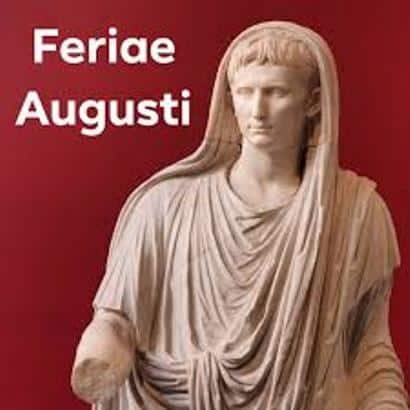
Ferragosto, celebrated on August 15th, has its origins in ancient Rome. It derives from the Latin “Feriae Augusti,” meaning “Augustus’ Rest,” and was established by Emperor Augustus in 18 BC. Initially, it was a holiday to mark the end of summer agricultural work, with a period of rest and celebrations for workers. Over time, the holiday was assimilated by the Catholic Church and associated with the Assumption of Mary, celebrated on August 15th.
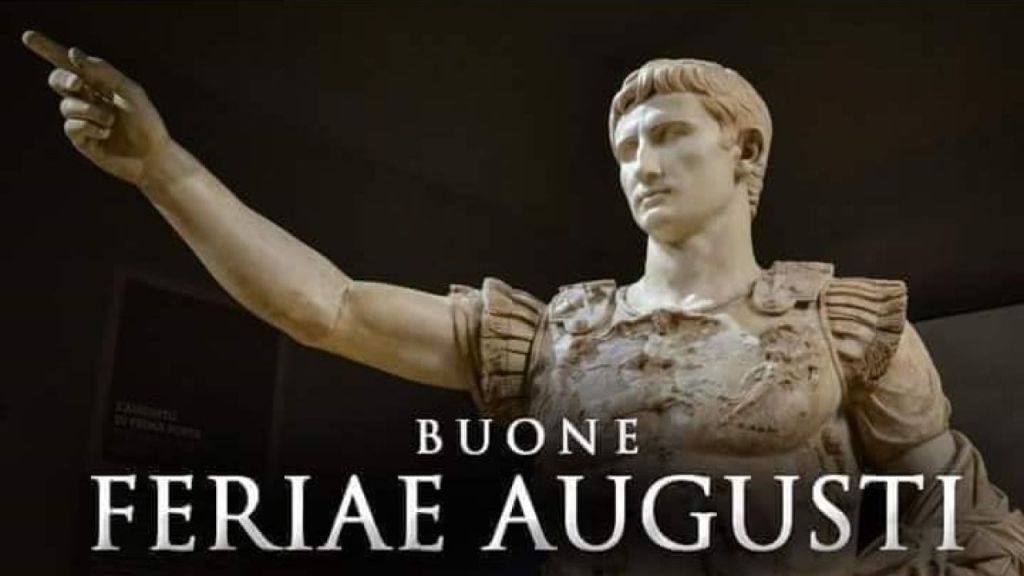
Here are some details on the origins and evolution of Ferragosto:
Roman Origins:
The Emperor Augustus wanted to create a holiday to celebrate the end of agricultural work and give citizens, especially farmers, a period of rest.
Feriae Augusti:
The name “Ferragosto” derives from “Feriae Augusti,” meaning “Augustus’ rest.”
Period of Rest and Celebrations:
The Feriae Augusti were a period of rest, but also of public celebrations, games, and banquets.
Overlap with Other Holidays:
The Ferragosto holiday overlapped with other celebrations such as the Consualia, dedicated to the fertility deity, Consus.
Adaptation by the Church:
The Catholic Church, in the 7th century, moved the holiday to August 15th, making it coincide with the Feast of the Assumption of Mary, an event celebrating the Virgin Mary’s ascension into heaven.
Ferragosto today:
Today, Ferragosto is a national holiday in Italy, often associated with day trips, lunches with friends, and outdoor celebrations.
 Study Italian in Italy