
Tomatoes
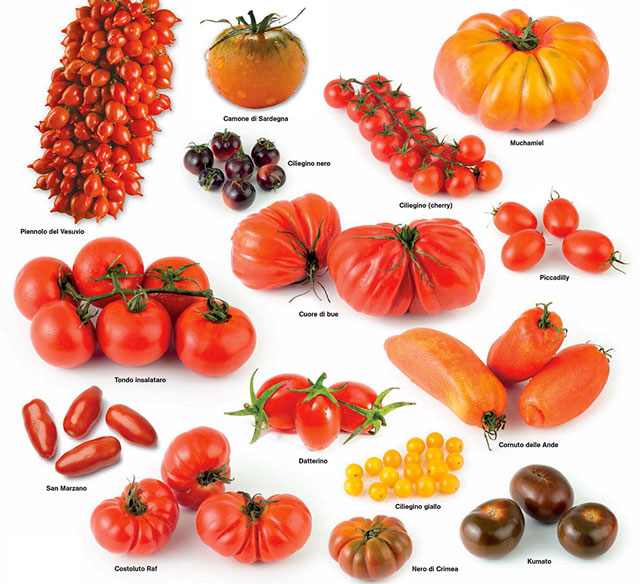
When you say Italy, you think of tomatoes, even though the fruit is far from native. There are over 5,000 registered varieties, distinguished by shape, color, flavor, and size. And many of the best ones grow right here in Italy, demonstrating that tradition is a successful innovation, as Oscar Wilde wrote before Monsieur de Lapalisse.
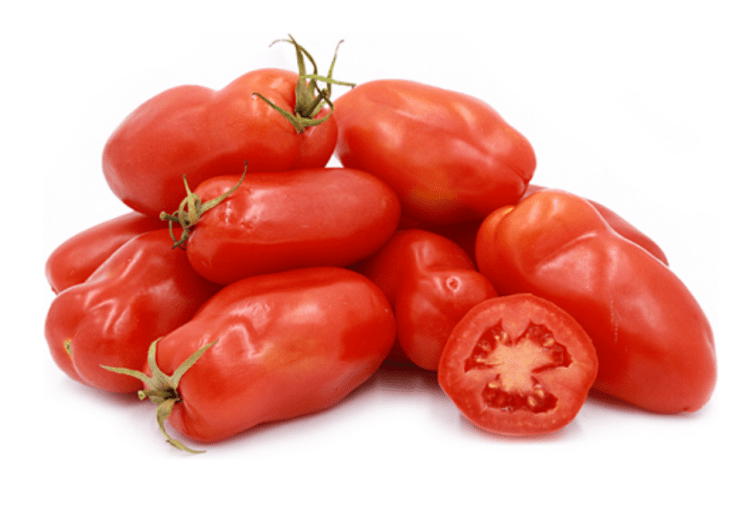
San Marzano DOP
The king is undisputedly the San Marzano tomato from the Agro Sarnese Nocerino area, grown and processed in the reference area located in the province of Salerno, with offshoots in the Vesuvius and Avellino areas, protected by a DOP dating back to 1996. Here, thanks to the volcanic soil, its characteristic minerality develops. The original, however, was destroyed by a virus and subsequently removed from the catalog in 1991. Today, only varieties that share at least some of its genetic heritage are permitted, such as Kiros and San Marzano 2, with the former accounting for virtually all production. It is eaten raw, cooked, or preserved.
But Campania also boasts another essential berry:
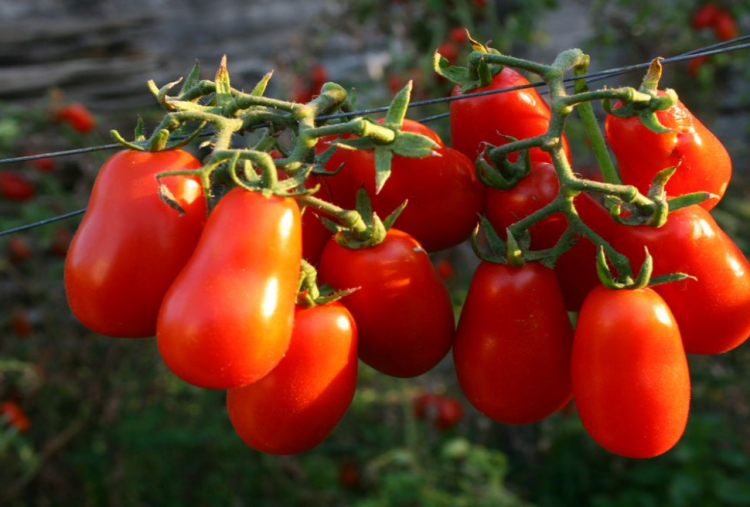
the Vesuvius Piennolo Tomato
also protected by a DOP (Protected Designation of Origin) dating back to 2009. This ancient cultivation stems from the need for tomatoes during the cold months: the thick, resistant skin allows them to be preserved, protected from mold. The species is Solanum lycopersicum, variety Mill, which descends from the traditional cultivars Fiaschella, Lampada, Principe Borghese, Patanara, and Re Umberto. Once ripe, the bunches are hung complete with shoots in ventilated rooms, gathered in large clusters, so that they can be stored throughout the winter, until spring, as they gradually dry. Here too, the volcanic soil plays its part. It is suitable for short cooking times.

Corbarino
Originally from Corbara, it can be eaten fresh, preserved, or “al piennolo.” It benefits from the volcanic soil on the slopes of the Lattari Mountains and the brackish water, which give it a distinctive flavor, the secret of the “vongole fujute” sauce.
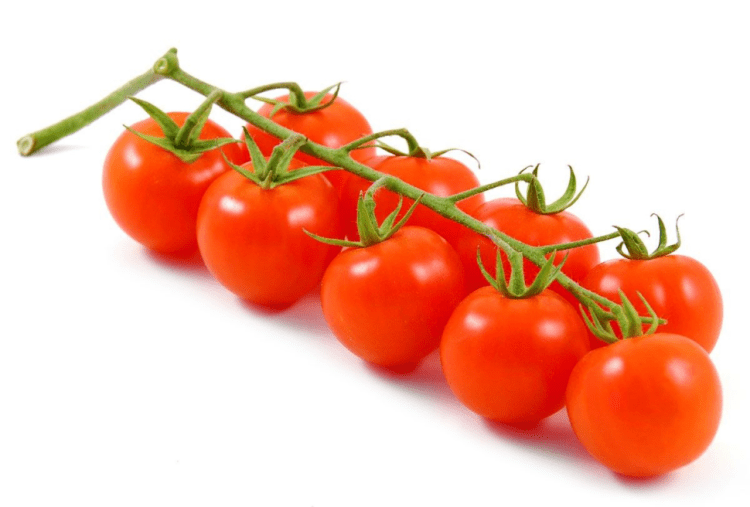
Pachino Cherry Tomatoes
are grown in part of the provinces of Syracuse and Ragusa. Introduced in 1989 by an Israeli multinational seed company, they have taken root in the soil and in the culinary imagination for their extraordinary sweetness. They are protected by a PGI (Protected Geographical Indication). Also from Pachino, under the same PGI umbrella, come the ribbed, smooth round, and bunch varieties.
Marinda,
which belongs to the Marmade variety, of French origin. It has adapted well to the sunny and breezy Sicilian climate, benefiting from watering with brackish groundwater. It is distinguished by its ribbed shape and diverse hues, from green to orange. Its seasonality is unique, lasting from January to May. It is Riccardo Camanini’s favorite, considering it the most balanced.
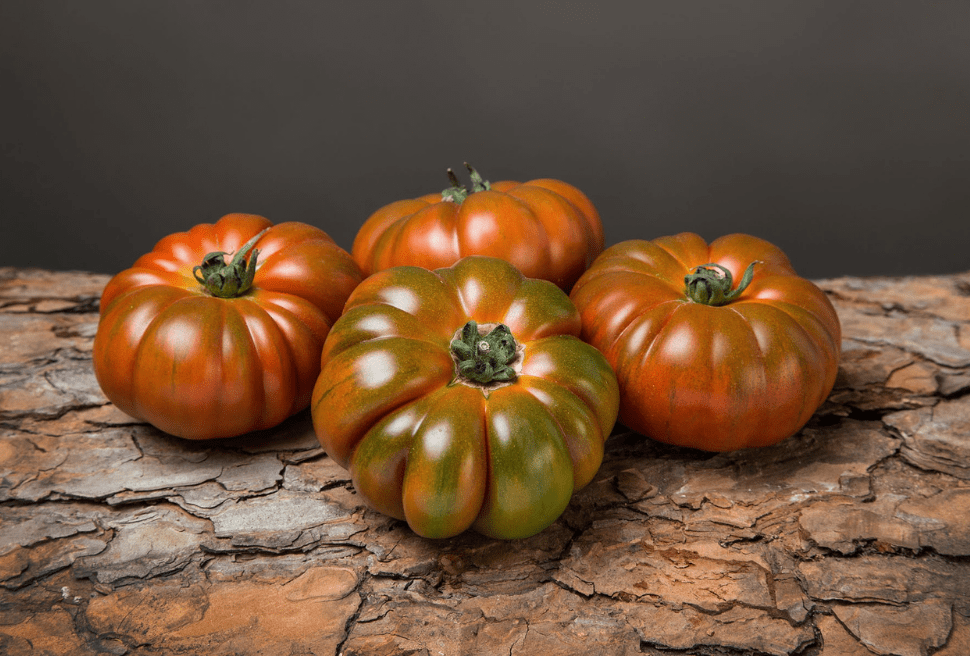
Camone,
which is distinguished by its smooth, round shape and dark red color streaked with green at the top. Like the cherry tomato, it represents a successful innovation, having been introduced in the late 1980s due to its durability. It is protected by a trademark, has a distinctive crunchy texture, and is best eaten raw.
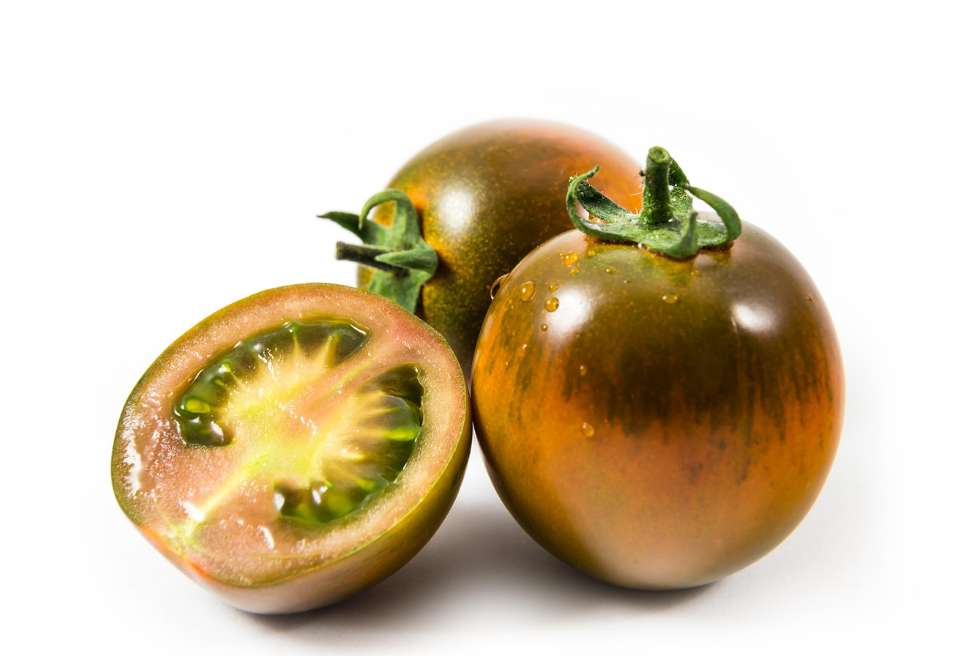
Beefsteak “CAMONE” Tomato
Traditionally grown from Piedmont to Tuscany and the islands, this tomato owes its name to its organ-like shape and bright, vivid red color. The Belmonte tomato, an extra-large member of the family, is also part of the family.
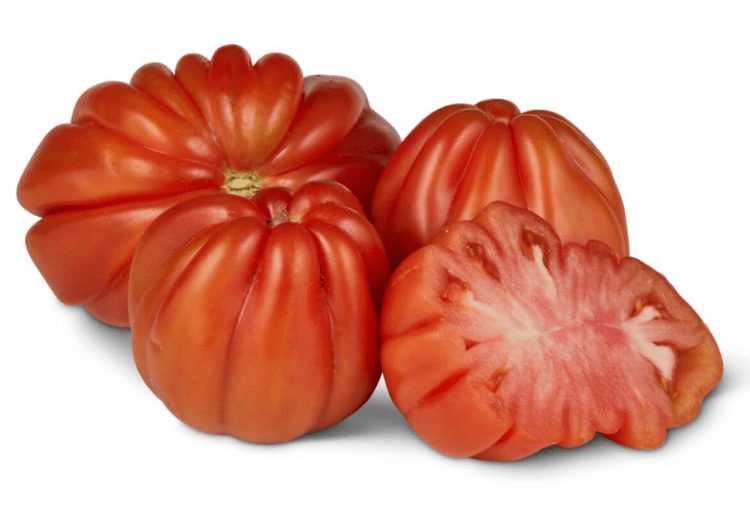
Slow Food protects several types of ribbed tomatoes, such as the Lucanian variety from Rotonda and the Sorrento variety. Among the Presidia are the Canestrino di Lucca, another ribbed tomato that contributes to the fame of Tuscan cuisine, from bruschetta to pappa al pomodoro (tomato soup), and panzanella; the Giallorosso from Crispiano, in the province of Taranto, excellent on frisella; the Fiaschetto from Torre Guaceto, also in Puglia; the Verneteca Sannita, champion of yellow cherry tomatoes; the Manduria cherry tomato; and the Regina from Torre Canne, a must-have on the typical Apulian focaccia.
 Study Italian in Italy