
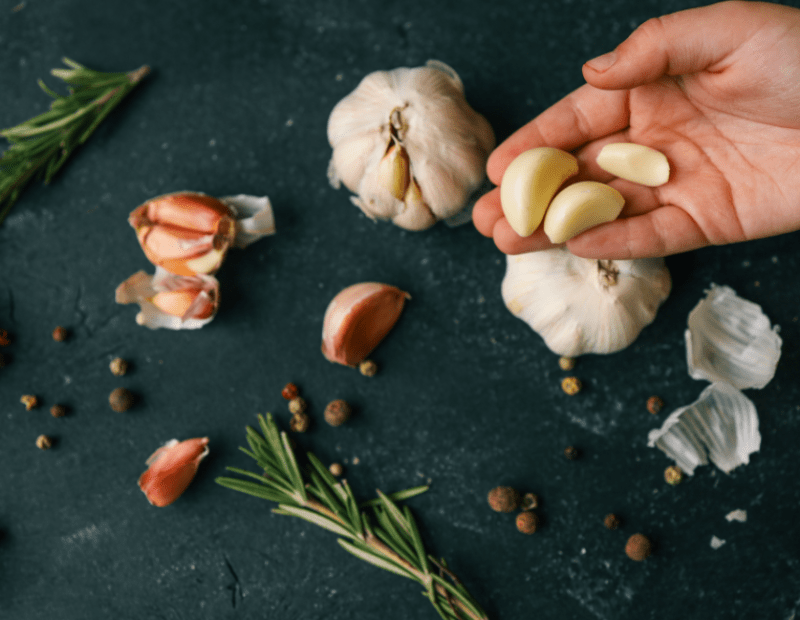
Origins, characteristics and culinary uses of different types of garlic, from the irreplaceable white to the precious fermented black, up to the most aromatic red varieties.
The Differences Between the Various Types of Garlic
Used for millennia in ovens, pots, and on popular dishes, garlic continues to be a solid and versatile presence in contemporary cuisine. But behind the generic “clove of garlic” lies a universe of varieties, consistencies, and aromas that deserve to be distinguished, especially today when the desire for distinctive, quality ingredients is increasingly evident.
White garlic remains the cornerstone, available in numerous Italian regional varieties, ranging from Polesine to Ferrara, from Piacenza to Liguria. It is versatile, can be delicate or pungent, and can be used raw, sautéed, or preserved, not to mention its essential role in iconic recipes like bagna caoda or spaghetti aglio, olio, e peperoncino.
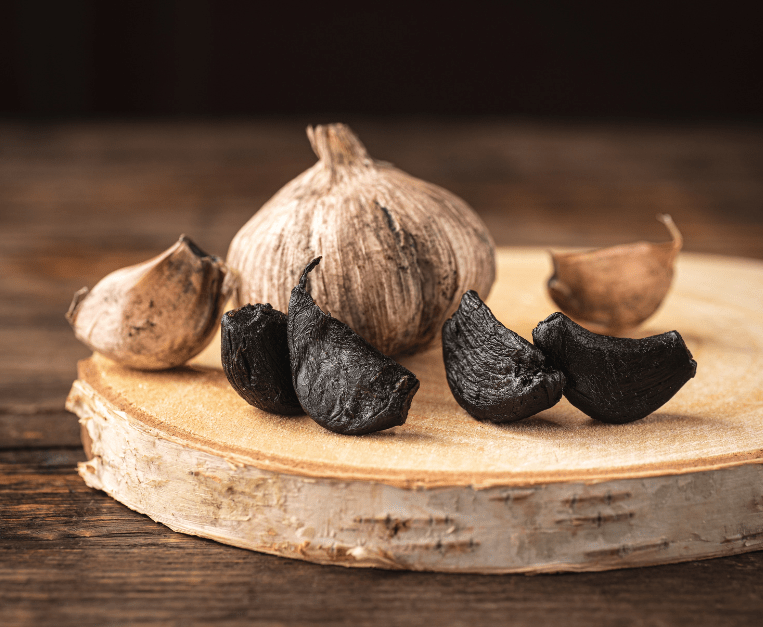
In recent years, however, the market and the sophisticated restaurant industry have rediscovered—or perhaps created—new ways to consume this ancient ingredient. Black garlic, originally developed in Japan in the early 1990s, is now an icon of fine dining. Obtained through a controlled fermentation process lasting over 70 days, the result is a dark-colored bulb with a soft texture, in which the typical aggressiveness of fresh garlic gives way to sweeter and more complex notes, blending licorice, molasses, and umami. A product capable of bridging distant gastronomic cultures and adding depth to vinaigrettes, pasta dishes, and meat or fish main courses.
Then there’s red garlic, a traditional ingredient that has only recently regained popularity thanks to the revival of prized local varieties. Its distinctive purple outer skin conceals a more intense and aromatic flavor than the common white garlic. The Italian landscape is rich in excellence: from Sulmona red garlic, a historic Abruzzo product, to Nubia red garlic, an essential ingredient in Trapani-style pesto. Lesser-known but of great gastronomic value are Proceno red garlic and Maremma red garlic, grown in restricted areas and sought after by chefs and delicatessens for their aromatic and preservative properties.
Knowing how to choose the right variety isn’t an exercise for purists, but a useful practice for building flavors and harmonies in dishes with greater awareness. A soffritto made with Vessalico white garlic will be more digestible, while black garlic will lend a balsamic softness to a fish fillet. Sulmona red garlic, on the other hand, can support the bold character of a legume soup without overshadowing it.
In a gastronomic landscape constantly chasing novelties, garlic proves that you don’t always need to invent something new; you just need to learn to better understand what you have in your hands. And in the case of garlic, it’s often a question of color.
Credits: Food&Wine Italia
 Study Italian in Italy