
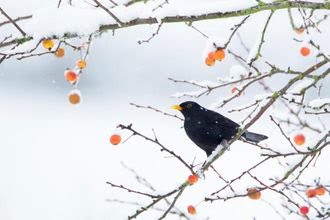
Among the many traditions linked to winter, there is one that seems to contain the very essence of frost: the days of the blackbird, three dates that mark the heart of winter, 29, 30 and 31 January. According to popular belief, these would be the coldest days of the year, capable of announcing what spring will be like. But what does a blackbird have to do with the January weather? And why has his name echoed for millennia?

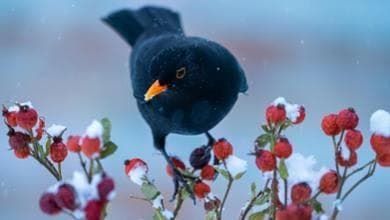
From that moment, according to the myth, the blackbirds changed color forever. Another version says that January felt envious of the blackbird, mocked for its white plumage. Enraged, he waited until the last day of the month to surprise him with snow and frost, forcing him to take refuge in the fireplace. In both cases, the soot from the chimney pot symbolizes the transition from white to black plumage. But in reality the legend of the blackbird varies from region to region, with some versions being more poetic and others more practical. In some stories, the blackbird sacrifices itself to protect its young from the frost while in others its song represents a challenge to the cold
L’origine della tradizione
I giorni della merla sono una tradizione antichissima, forse risalente all’epoca romana. Si ritiene che il loro nome abbia una connessione simbolica con il ciclo delle stagioni e la rinascita della natura. Per i Romani, gli uccelli erano considerati messaggeri degli dei e il loro comportamento assumeva significati simbolici. La merla, in particolare, annuncerebbe il passaggio verso la primavera, connessa al mito di Proserpina – Persefone per i Greci -, la dea che ogni anno risaliva dal regno dei morti per riportare vita e fiori sulla terra.
Cold or hot: a clue to spring According to tradition, if the blackbird days are particularly cold, spring will be mild and early. On the contrary, if they are unusually warm, the winter will last longer. This link between the climate at the end of January and the subsequent seasonal trend is a popular belief that has been handed down for generations, although it has not found full scientific confirmation.
What science says Meteorological data, however, seems to contradict tradition. Studies such as those of the Prealpine Geophysical Center demonstrate that, on average, the temperature on blackbird days is not always the coldest in January. On the contrary: a slight increase is often observed compared to previous days. The legend was probably born in an era in which January was perceived as an extremely harsh month, especially due to the lack of meteorological instruments and the difficulties associated with life in the harsh winters of the past.
 Study Italian in Italy