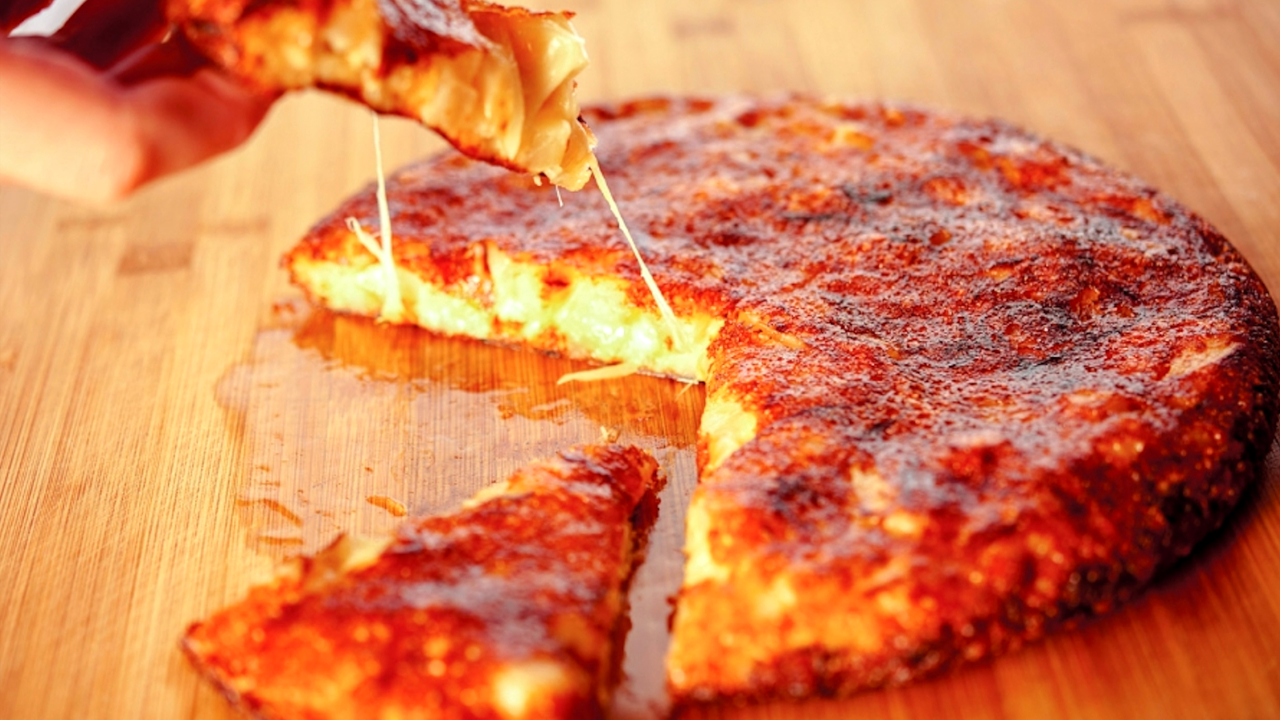
„A single dish that seems made especially to sustain days in the mountains, with a short list of ingredients, but with a very long history. We are talking about frico, at first glance a cross between an omelette and a pie (but be careful, there is no trace of eggs), born in Friuli and appreciated by those who travel and holiday there. Potatoes, cheese and at most onions: this is how we prepare it today. But in reality, many centuries ago, sugar and cinnamon were also needed."


It is therefore worth suspending the doubt for a moment and starting from the legend. For the frico, the protagonist is Sant'Ermacora, patron saint of the city of Udine. Once in Carnia to bring the Gospel, it is said he received a slice of polenta together with a cup of whey and a piece of cheese from some poor shepherds, who opened their doors for him. To strengthen the meal, it is said that the innkeeper tried putting the whey back on the heat, adding ricotta and cheese and thus obtaining a more substantial dish, which was then perfected over the centuries. The reality of the facts, however, speaks of ingenious stratagems to avoid wasting anything in the countryside and pre-Alps of Carnia. In particular the strisuliss, offcuts from cheese making, which were fried in a pan or combined with potatoes, easy to grow here too.“
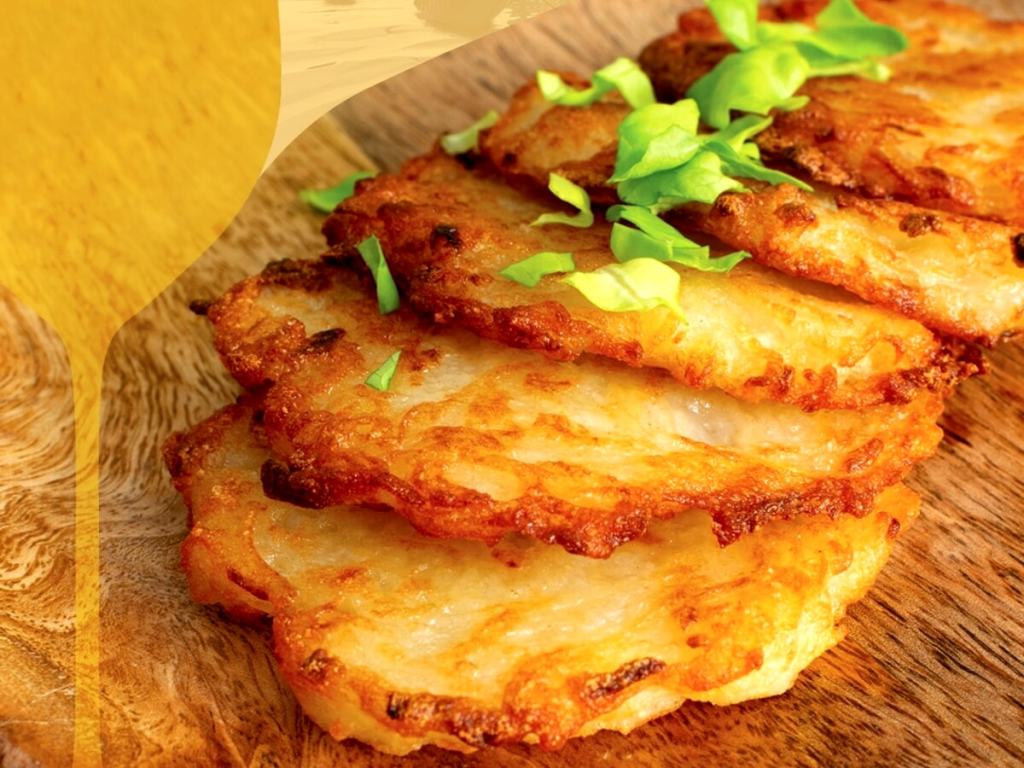
The variations of frico and how to prepare them The name of the recipe which gradually became fricò (with the final accent, before the Italianization of spoken Friulian), derives from the French fricot, reference to a dish of cooked vegetables, also called elsewhere fricandò or fricassee. There are two versions of frico in circulation today: the thin and crunchy one, made only of cheese cooked in a pan and similar to a waffle, and the taller and softer one. To prepare the latter, start with potatoes - which some use raw and others blanched - to be grated with a tool with large holes. In a lightly greased pan, originally with butter, soften the onion, add the potatoes and leave to cook until very soft. The Montasio Dop cheese (or Latteria) must then be added in more or less long maturations, mixed together. At this point the cooking continues until a crust forms, turning and repeating on the other side.“
stay updated on news, learn about history and traditions, consult appointments and events in the city... in short, stay connected with Bologna
View more posts
 Study Italian in Italy