
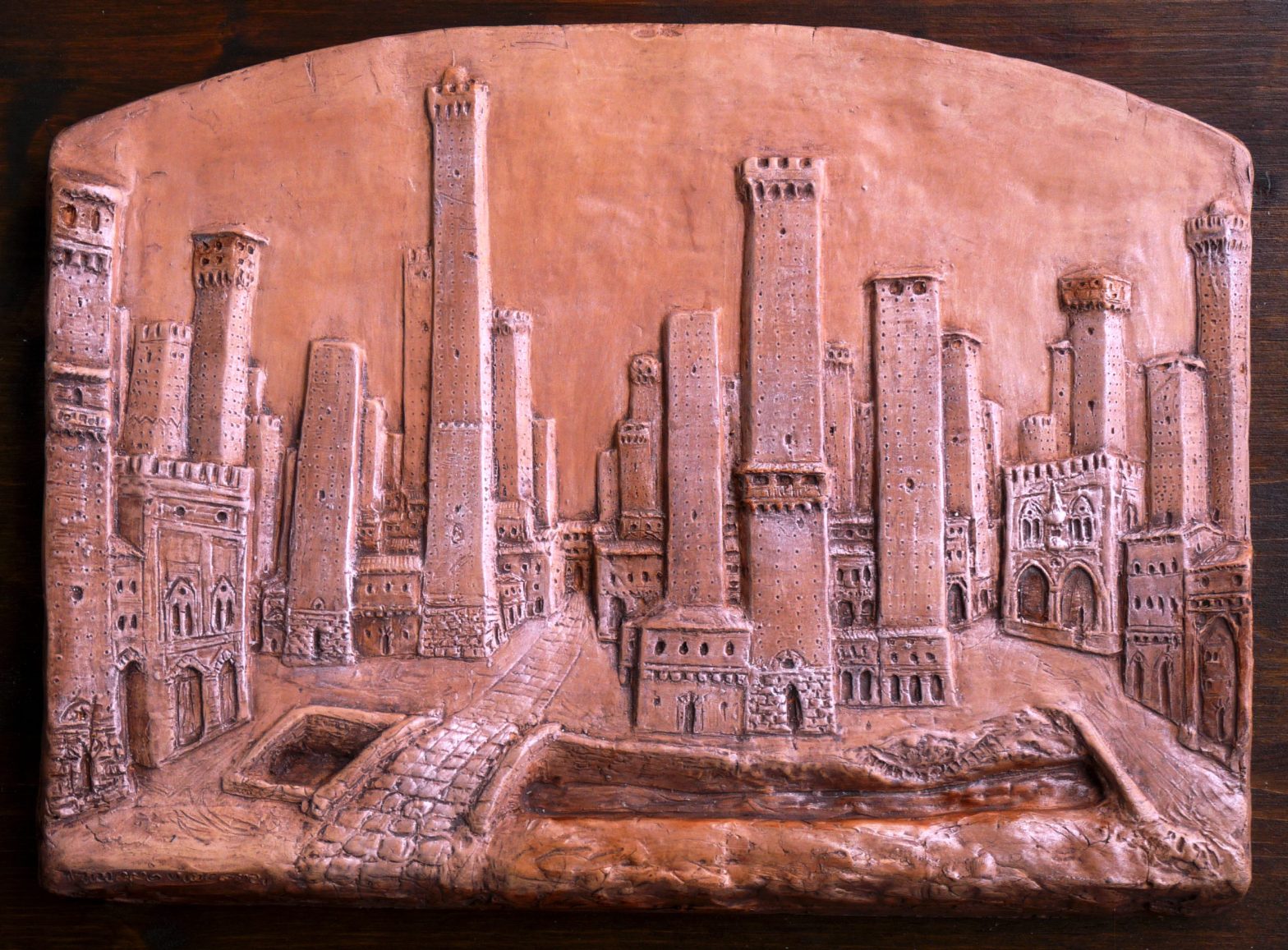
The medieval towers were built between the 11th and 13th centuries, a period of the Late Middle Ages characterized by the investiture struggle between the Empire and the Church and by the bellicose opposition between the Guelphs and the Ghibellines, factions which in Bologna took their name from the Geremei and Lambertazzi families .
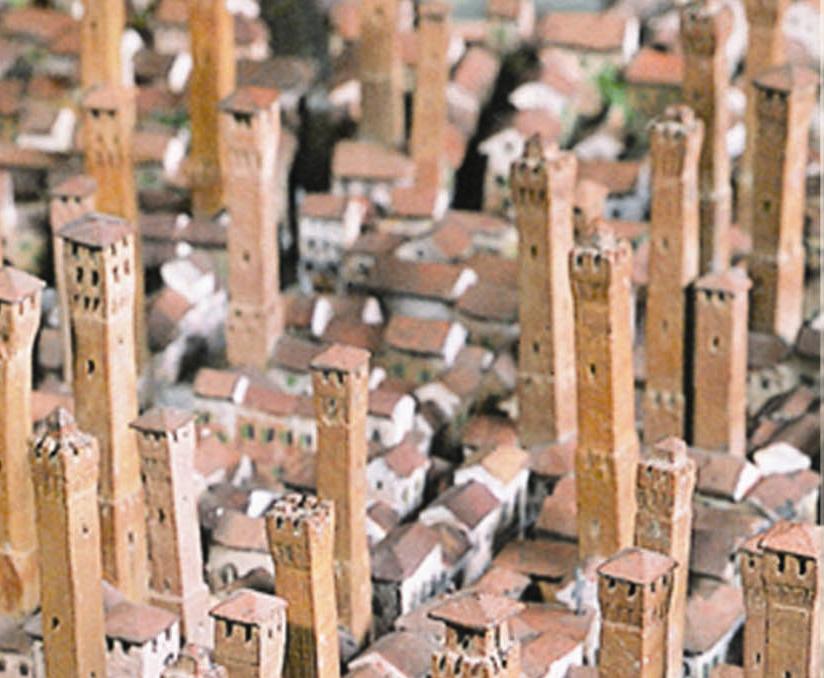
It is very likely that the first Bolognese towers had a defense-lookout function and were public. They were built between the 11th and 12th centuries by the imperial administration, represented in Bologna by Matilde of Canossa, supporter of feudal power.
From towers such as the Garisenda and especially the Asinelli, located close to the first circle of walls, it was possible to control large spaces, anticipate the moves of opposing armies and defend oneself from enemy attacks. With the death of Matilda in 1115 and the birth of the free Municipality, everything changed.
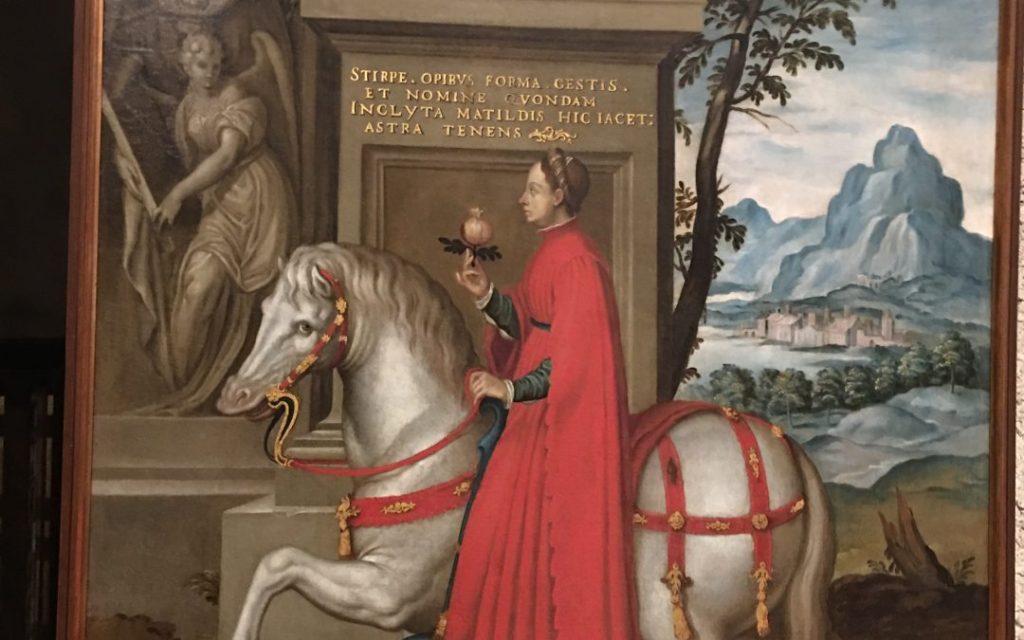
The towers passed into the hands of the wealthiest families (such as the Asinelli) and many others were built by them. Around 1120, dozens of towers were built, both by the will of the Ghibelline nobles and the richer Guelphs, most of whom had popular origins.
From a sighting and defense tool, the towers thus transformed into a symbol of power, used to offend and defend: protagonists of the city fights between Guelphs and Ghibellines. Starting from the fourteenth century, once the reasons that had motivated their construction no longer existed (and the struggle between Guelphs and Ghibellines practically ceased), the towers lost importance.
No more were built and the existing ones were cut off, demolished, incorporated into other buildings or converted to other uses. Some became prisons, others shops, homes, others still passed to the Municipality with civic functions or to ecclesiastical organizations.
Did you know that ALCE Bologna organizes weekly guided tours to discover the architectural beauties of the city?
Scopri il “programma sociale” di eventi per gli studenti di ALCE
 Study Italian in Italy