Italy holds the record for the most UNESCO heritage sites in the world.
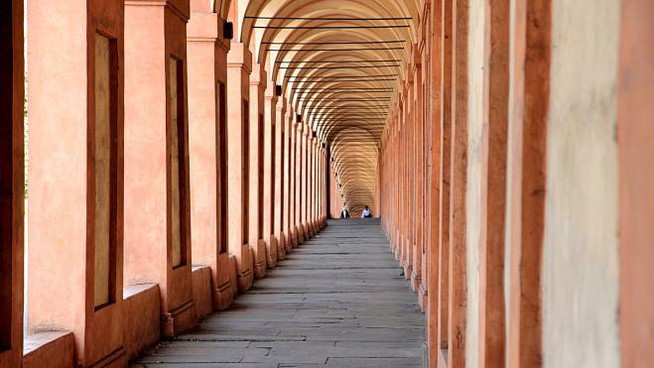
There are currently 55 UNESCO sites in Italy — 50 cultural and 5 natural — and many others are under consideration (INCLUDING BOLOGNA “PORTICOES”: https://www.ilrestodelcarlino.it/bologna/cronaca/portici-patrimonio-unesco-1.5395617)
UNESCO’s heritage lists provide context to a country’s history and traditions. Many travelers, including myself, use UNESCO’s lists as a guide to deciding where to go, what to see, or what to read (or write) about.
Following is a list of Italy’s UNESCO sites. Links to coverage of these sites on Italofile are provided where applicable and will be continuously updated.
- A to Z List of UNESCO Heritage Sites in Italy
- UNESCO Heritage Sites in Italy By Region
- UNESCO Natural Heritage Sites in Italy
- UNESCO Intangible Heritage Sites in Italy

UNESCO Cultural Heritage Sites in Italy (A to Z)
- 18th-Century Royal Palace at Caserta with the Park, the Aqueduct of Vanvitelli, and the San Leucio Complex (Campania)
- Arab-Norman Palermo and the Cathedral Churches of Cefalú and Monreale (Sicily)
- Archaeological Area and the Patriarchal Basilica of Aquileia (Friuli-Venezia Giulia)
- Archaeological Area of Agrigento (Sicily)
- Archaeological Areas of Pompei, Herculaneum and Torre Annunziata (Campania)
- Assisi, the Basilica of San Francesco and Other Franciscan Sites (Umbria et al)
- Botanical Garden (Orto Botanico), Padua (Veneto)
- Castel del Monte (Puglia)
- Cathedral, Torre Civica and Piazza Grande, Modena (Emilia-Romagna)
- Church and Dominican Convent of Santa Maria delle Grazie with “The Last Supper” by Leonardo da Vinci (Lombardy)
- Cilento and Vallo di Diano National Park with the Archeological Sites of Paestum and Velia, and the Certosa di Padula (Campania)
- City of Verona (Veneto)
- City of Vicenza and the Palladian Villas of the Veneto
- Costiera Amalfitana (Campania)
- Crespi d’Adda (Lombardy)
- Early Christian Monuments of Ravenna (Emilia-Romagna)
- Etruscan Necropolises of Cerveteri and Tarquinia (Lazio)
- Ferrara, City of the Renaissance, and its Po Delta (Emilia-Romagna)
- Genoa: Le Strade Nuove and the system of the Palazzi dei Rolli (Liguria)
- Historic Centre of Florence (Tuscany)
- Historic Centre of Naples (Campania)
- Historic Centre of Rome, the Properties of the Holy See in that City Enjoying Extraterritorial Rights and San Paolo Fuori le Mura (Lazio)
- Historic Centre of San Gimignano (Tuscany)
- Historic Centre of Siena (Tuscany)
- Historic Centre of the City of Pienza (Tuscany)
- Historic Centre of Urbino (Le Marche)
- Ivrea, industrial city of the 20th century (Piemonte)
- Late Baroque Towns of the Val di Noto (Sicily)
- Longobards in Italy. Places of the Power (568-774 A.D.) (Includes sites in Campania, Friuli-Venezia Giulia, Lombardy, Puglia, and Umbria — noted in regional lists below)
- Mantua and Sabbioneta (Emilia-Romagna)
- Medici Villas and Gardens in Tuscany
- Piazza del Duomo, Pisa (Tuscany)
- Portovenere, Cinque Terre, and the Islands (Palmaria, Tino and Tinetto) (Liguria)
- Prehistoric Pile Dwellings around the Alps (Lombardy, Piemonte, Trentino-Alto Adige)
- Prosecco Hills of Conegliano e Valdobbiadene (Veneto)
- Residences of the Royal House of Savoy (Piemonte)
- Rhaetian Railway in the Albula / Bernina Landscapes (Lombardy)
- Rock Drawings in Valcamonica (Lombardy)
- Sacri Monti of Piedmont and Lombardy
- Su Nuraxi di Barumini (Sardinia)
- Syracuse and the Rocky Necropolis of Pantalica (Sicily)
- The Trulli of Alberobello (Puglia)
- The Sassi and the Park of the Rupestrian Churches of Matera (Basilicata)
- Val d’Orcia (Tuscany)
- Venetian Works of Defence between the 16th and 17th Centuries: Stato da Terra – Western Stato da Mar (Veneto)
- Venice and its Lagoon (Veneto)
- Villa Adriana (Tivoli) (Lazio)
- Villa d’Este, Tivoli (Lazio)
- Villa Romana del Casale (Sicily)
- Vineyard Landscape of Piedmont: Langhe-Roero and Monferrato
UNESCO Cultural Heritage Sites in Italy (By Region)
Basilicata
Campania
- 18th-Century Royal Palace at Caserta with the Park, the Aqueduct of Vanvitelli, and the San Leucio Complex
- Amalfi Coast (Costiera Amalfitana)
- Archaeological Areas of Pompei, Herculaneum and Torre Annunziata
- Cilento and Vallo di Diano National Park with the Archeological Sites of Paestum and Velia, and the Certosa di Padula
- Historic Centre of Naples
- Santa Sofia Complex, Benevento (Longobard Site)
Emilia-Romagna
- Cathedral, Torre Civica and Piazza Grande, Modena
- Early Christian Monuments of Ravenna
- Ferrara, City of the Renaissance, and its Po Delta
- Mantua (Mantova) and Sabbioneta
Friuli-Venezia Giulia
- Archaeological Area and the Patriarchal Basilica of Aquileia
- Cividale del Friuli (Longobard Site)
- The Dolomites (Shared with Veneto, Trentino Alto-Adige)
Lazio
- Etruscan Necropolises of Cerveteri and Tarquinia
- Historic Centre of Rome, the Properties of the Holy See in that City Enjoying Extraterritorial Rights and San Paolo Fuori le Mura
- Villa Adriana, Tivoli
- Villa d’Este, Tivoli
Liguria
- Genoa: Le Strade Nuove and the system of the Palazzi dei Rolli
- Portovenere, Cinque Terre, and the Islands (Palmaria, Tino and Tinetto)
Lombardy
- Church and Dominican Convent of Santa Maria delle Grazie with “The Last Supper” by Leonardo da Vinci, Milan
- Crespi d’Adda
- Monte San Giorgio
- Prehistoric Pile Dwellings around the Alps (Shared with Piemonte, Trentino-Alto Adige)
- Rhaetian Railway in the Albula / Bernina Landscapes
- Rock Drawings in Valcamonica
- Sacri Monti of Piedmont and Lombardy
- San Salvatore-Santa Giulia in Brescia (Longobard Site)
- Santa Maria Foris Portas, which includes the castrum with the Torba Tower and the church outside the walls, Castelseprio (Longobard Site)
Marche
Piemonte
- Ivrea, industrial city of the 20th century
- Prehistoric Pile Dwellings around the Alps (Shared with Lombardy, Trentino-Alto Adige)
- Residences of the Royal House of Savoy
- Vineyard Landscape of Piedmont: Langhe-Roero and Monferrato
Puglia
- Castel del Monte
- Sanctuary of San Michele (Longobard Site)
- The Trulli of Alberobello
Sardinia
- Su Nuraxi di Barumini
Sicily
- Arab-Norman Palermo and the Cathedral Churches of Cefalú and Monreale
- Isole Eolie (Aeolian Islands)
- Late Baroque Towns of the Val di Noto
- Mount Etna
- Syracuse and the Rocky Necropolis of Pantalica
- Villa Romana del Casale
Trentino-Alto Adige
- The Dolomites (Shared with Veneto, Friuli-Venezia Giulia)
- Prehistoric Pile Dwellings around the Alps (Shared with Lombardy, Piemonte)
Tuscany
- Historic Centre of Florence
- Historic Centre of San Gimignano
- Historic Centre of Siena
- Historic Centre of the City of Pienza
- Medici Villas and Gardens in Tuscany
- Piazza del Duomo, Pisa
- Val d’Orcia
Umbria
- Assisi, the Basilica of San Francesco and Other Franciscan Sites
- Basilica San Salvatore, Spoleto (Longobard Site)
- Clitunno Tempietto, Campello sul Clitunno (Longobard Site)
Veneto
- Botanical Garden (Orto Botanico), Padua (Veneto)
- City of Verona (Veneto)
- City of Vicenza and the Palladian Villas of the Veneto
- The Dolomites (Shared with Trentino Alto-Adige, Friuli-Venezia Giulia)
- Prosecco Hills of Conegliano e Valdobbiadene (Veneto)
- Venetian Works of Defence between the 16th and 17th Centuries: Stato da Terra – Western Stato da Mar
- Venice and its Lagoon
UNESCO Natural Heritage Sites
- Ancient and Primeval Beech Forests of the Carpathians and Other Regions of Europe
- Isole Eolie (Aeolian Islands) (Sicily)
- Monte San Giorgio (Lombardy, shared with Switzerland)
- Mount Etna (Sicily)
- The Dolomites (Veneto, Trentino Alto-Adige, Friuli-Venezia Giulia)
Italy’s Intangible Cultural Heritage
In addition to sites one can visit, Italy is also recognized by its intangible cultural heritage. These include the following:
- Opera dei Pupi, Sicilian puppet theatre
- Canto a tenore, Sardinian pastoral songs
- Traditional violin craftsmanship in Cremona (Lombardy)
- Mediterranean diet (shared with other countries)
- Celebrations of big shoulder-borne processional structures (Example from Molise)
- Traditional agricultural practice of cultivating the “vite ad alberello” (head-trained bush vines) of the community of Pantelleria (Sicily)
- Falconry, a living human heritage (shared with other countries)
- Art of Neapolitan “Pizzaiuolo”
- Art of dry stone walling, knowledge and techniques (shared with other countries)
Source: Italy’s UNESCO sites
 Study Italian in Italy